What Is A Website?
A website is the complete online presence of a business.
It usually contains multiple pages, such as:
- Home page
- About page
- Service pages
- Blog
- Contact page
- Testimonials
- Portfolio
- Pricing information
A website is built to provide complete information about your business.
Visitors can explore, learn about your brand, compare services, and decide whether they want to work with you.
Think of a website like a showroom.
A customer walks in, looks around, understands what you offer, and decides what they want.
For businesses building credibility, a website is essential.
However, when it comes to paid advertising, a website is not always the best destination.
What Is A Landing Page?
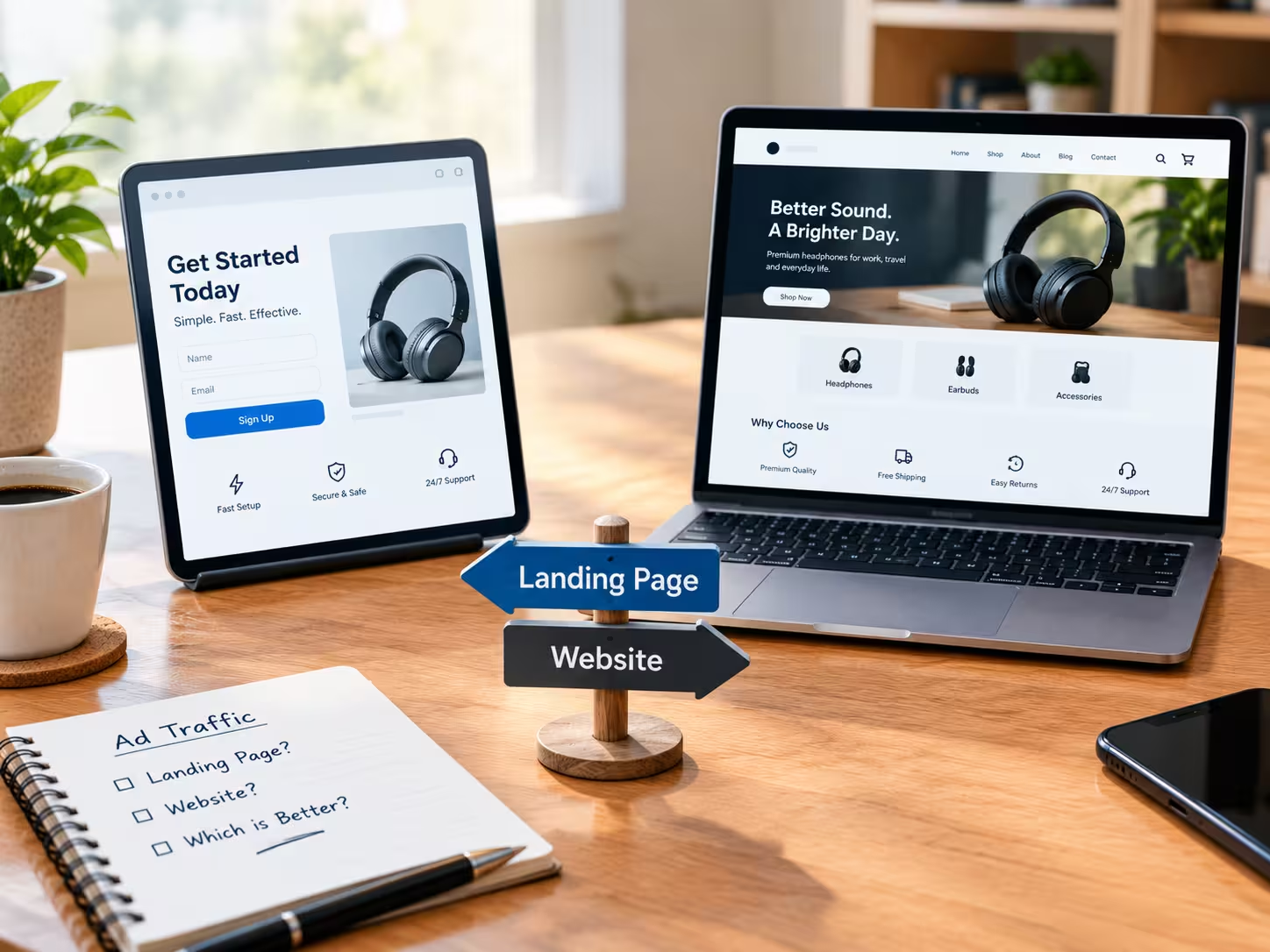
A landing page is a focused page created for one specific purpose.
Unlike a website that has many sections, a landing page removes distractions and guides visitors toward one action.
That action could be:
- Filling out a form
- Booking a call
- Requesting a quote
- Buying a product
- Signing up for a service
A good landing page usually includes:
- A clear headline
- A strong offer
- Benefits
- Trust elements
- Testimonials
- A clear call-to-action
The goal is simple:
Turn visitors into leads or customers.
Landing Page vs Website: The Main Difference
The biggest difference comes down to focus.
A website gives information.
A landing page drives action.
A website answers:
“Who are you?”
“What do you offer?”
“How can customers contact you?”
A landing page answers:
“Why should I take action right now?”
Both are valuable.
They just serve different purposes.
Why Sending Ads To Your Homepage Can Be A Problem
Many businesses make this mistake:
They create an ad → someone clicks → they send visitors to the homepage.
It seems logical.
But the homepage often has too many choices.
Visitors may see:
- Multiple services
- Navigation menus
- Different offers
- Blog links
- About information
The visitor gets distracted.
They came from an ad because they were interested in one specific thing.
But now they have to search for it.
Every extra step creates a chance for them to leave.
Why Landing Pages Often Convert Better
A landing page is built around one customer journey.
For example:
Someone clicks an ad saying:
“Get Professional SEO Help For Your Business”
The landing page should continue that same conversation:
“Grow Your Google Rankings With SEO Strategies Designed For Businesses”
The message stays consistent.
The visitor feels:
“This is exactly what I was looking for.”
That connection improves conversions.
When Should You Use A Website?
A website works best when people need more information before making a decision.
Use your website when:
- Someone is discovering your brand
- Your business needs credibility
- Customers want to explore multiple services
- You want organic traffic from SEO
- You are building long-term authority
For example, someone searching your brand name on Google may want your website.
They want to know:
Who are you?
What do you do?
Can they trust you?
A website handles this perfectly.
When Should You Use A Landing Page?
A landing page is ideal when you are paying for traffic.
Especially for:
- Google Ads
- Meta Ads
- Email campaigns
- Promotional campaigns
- Lead generation campaigns
The visitor already clicked because something interested them.
Your landing page should continue that exact message.
For example:
Ad:
“Get A Free Website Audit”
Landing page:
“Claim Your Free Website Audit Today”
Same promise.
Same goal.
Better chances of conversion.
Do Small Businesses Need Both?
In most cases, yes.
A website and landing pages work together.
Your website builds trust.
Your landing pages generate results.
A simple strategy looks like this:
Website:
Build your brand, authority, and online presence.
Landing Pages:
Convert advertising traffic into leads.
This combination gives businesses both credibility and performance.
The Biggest Mistake Businesses Make With Landing Pages
Creating a landing page does not automatically guarantee success.
Many businesses create pages that look good but do not convert.
Common problems include:
- Weak headlines
- Too much information
- No clear offer
- No trust signals
- Confusing forms
- Poor mobile experience
A landing page needs strategy, not just design.
The goal is not to impress visitors.
The goal is to help them make a decision.
How To Decide Where Your Ads Should Go
Ask these questions:
Is the visitor searching for a specific service?
Send them to a focused landing page.
Is the visitor discovering your brand?
A website may be better.
Are you running paid campaigns?
Usually, a landing page performs better.
Are you building long-term visibility?
Your website and SEO matter more.
The answer depends on the customer journey.
A Simple Example
Imagine someone searches:
“Google Ads expert for small business”
They click your advertisement.
If they land on your homepage, they may need to search through your services.
But if they land on:
“Google Ads Management For Small Businesses”
they immediately see relevant information.
That makes the decision easier.
Final Thoughts
The landing page vs website debate is not about choosing one and ignoring the other.
Both have an important role.
Your website helps people understand and trust your business.
Your landing page helps convert interested visitors into customers.
If you are investing money into ads, sending traffic to the right destination can make a huge difference.
Because getting clicks is only the first step.
The real goal is turning those clicks into business growth.