Many business owners focus almost entirely on their product while giving very little attention to marketing.
As a result:
- Their website gets little traffic.
- Their social media has low engagement.
- Their ads produce inconsistent results.
- Their lead flow becomes unpredictable.
Marketing becomes frustrating because there is no clear plan behind it.
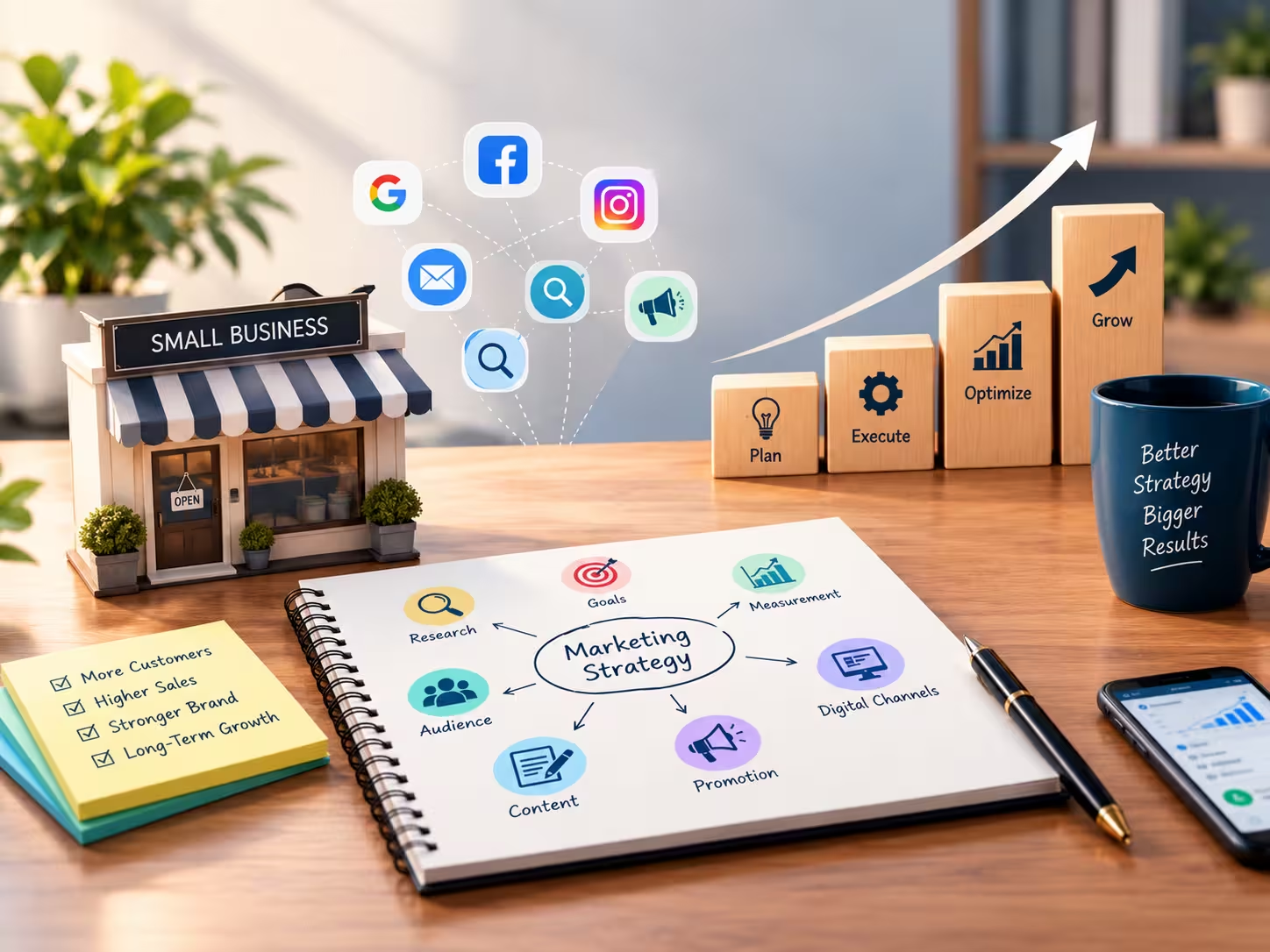
A profitable strategy fixes this problem.
Instead of random activities, every marketing effort works toward a specific goal.
Start With Clear Business Goals
Before choosing platforms, running ads, or creating content, define what success looks like.
Ask yourself:
Where do I want my business to be in the next 12 months?
Your goals may include:
- Generating more leads
- Increasing sales
- Building local awareness
- Launching a new service
- Expanding into new locations
- Improving customer retention
The clearer your goal, the easier every marketing decision becomes.
For example, a business focused on local lead generation will need a very different approach than an eCommerce brand looking for nationwide sales.
Understand Your Ideal Customer
One of the biggest mistakes small businesses make is trying to market to everyone.
When you target everyone, your message becomes weak.
Instead, identify your ideal customer.
Think about:
- Their age range
- Their location
- Their income level
- Their challenges
- Their goals
- Their buying behavior
More importantly, ask:
What problem are they trying to solve?
People don’t buy services.
They buy solutions.
The better you understand their problems, the easier it becomes to create marketing that connects.
Build Your Marketing Around Customer Problems
Many businesses talk too much about themselves.
They talk about:
- Years of experience
- Awards
- Features
- Company history
Customers care about one thing first:
“Can you solve my problem?”
Instead of focusing only on what you do, focus on what outcome you create.
For example:
Instead of saying:
“We provide SEO services.”
Say:
“We help businesses get found on Google and generate more qualified leads.”
The second message speaks directly to the customer’s goal.
That is what good marketing does.
Choose the Right Marketing Channels
Not every platform is right for every business.
This is where many businesses waste money.
Rather than trying everything, focus on channels that match your audience’s behavior.
Google Ads
Best for businesses whose customers actively search for solutions.
Examples:
- Dentists
- Lawyers
- Consultants
- Agencies
- Home services
Google Ads works because it captures existing demand.
People are already looking.
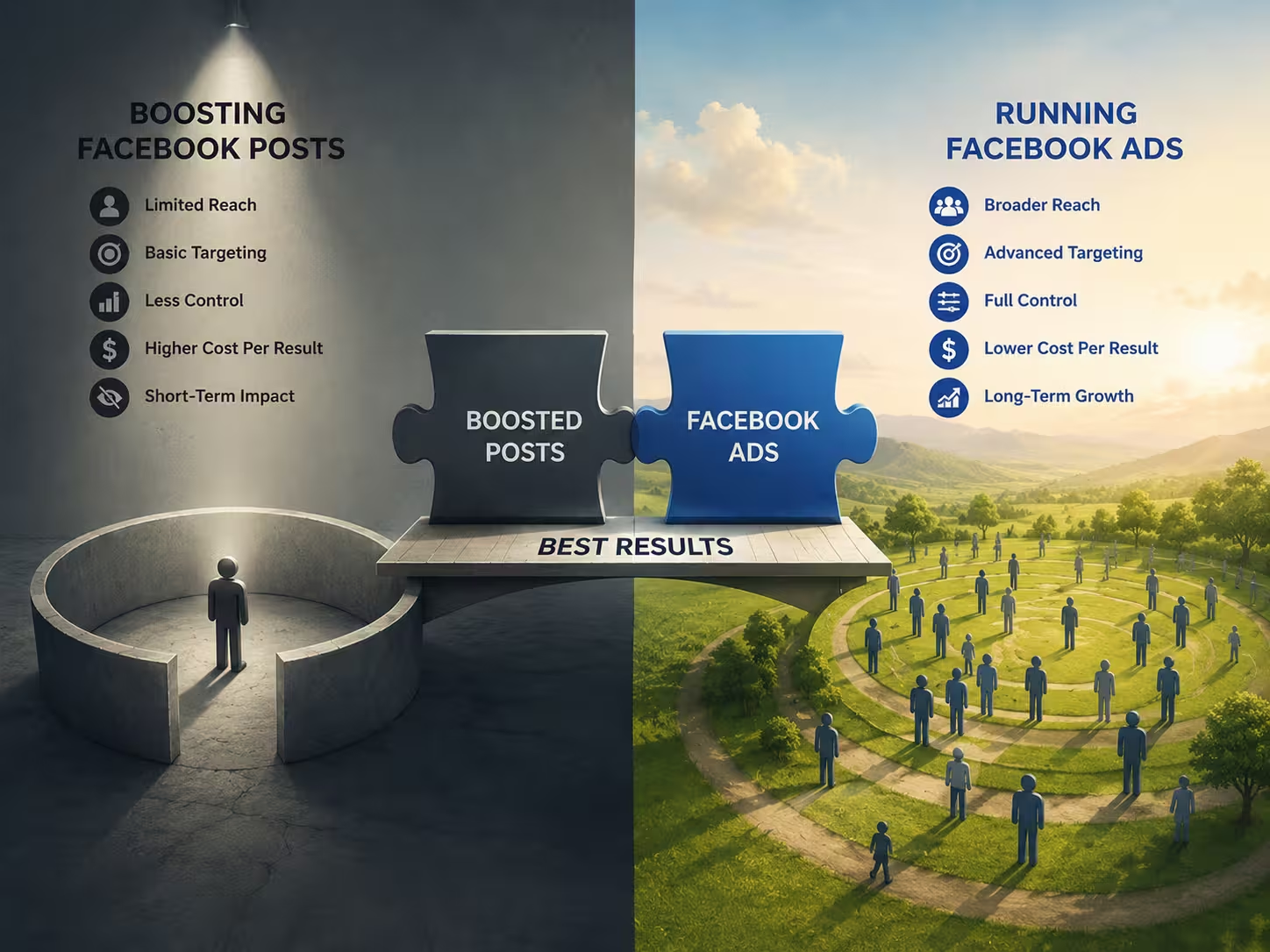
Meta Ads
Facebook and Instagram work well when attention and visuals matter.
Examples:
- Restaurants
- Fitness businesses
- Beauty brands
- E-commerce stores
- Personal brands
Meta Ads help create awareness and interest.
SEO
SEO is ideal for businesses seeking long-term growth.
Unlike paid ads, SEO can continue generating traffic even when you’re not spending money on clicks.
However, it requires patience and consistency.
Content Marketing
Blogs, videos, guides, and educational content help establish authority.
People trust businesses that educate them.
This is why content marketing remains one of the strongest long-term strategies available.
Create a Simple Marketing Funnel
One reason businesses struggle with marketing is that they focus only on getting attention.
Attention is only the beginning.
A customer typically moves through several stages:
Awareness
The customer discovers your business.
Interest
They learn more about what you offer.
Consideration
They compare you with alternatives.
Decision
They become a customer.
Your marketing should support every stage.
Many businesses spend money generating traffic but neglect what happens afterward.
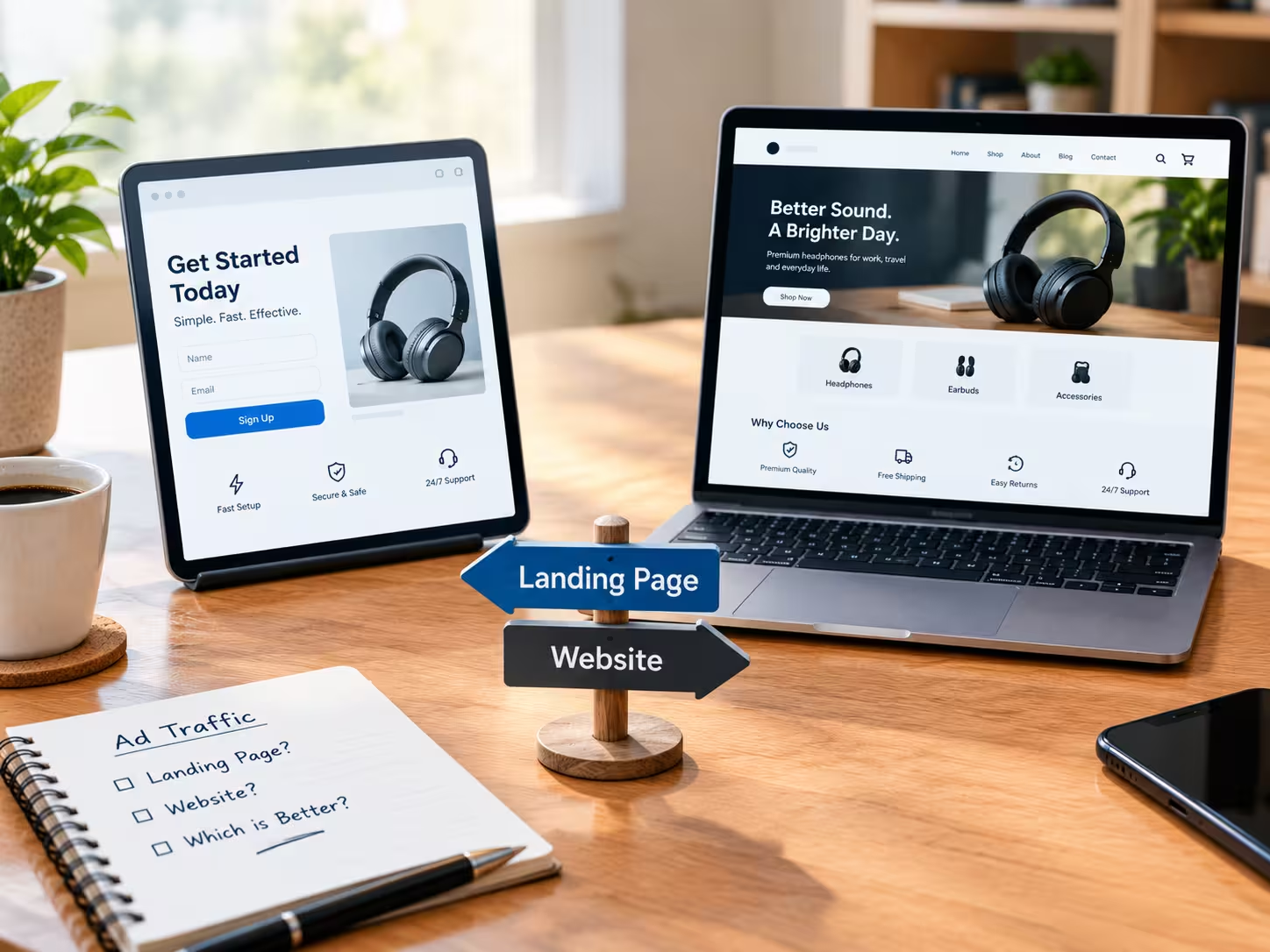
That is why having a strong website, landing page, and follow-up system matters.
Why Your Website Matters More Than You Think
A website is not just an online brochure.
It should help convert visitors into leads.
Ask yourself:
Does my website clearly explain:
- What I do?
- Who I help?
- Why someone should choose me?
- What action visitors should take next?
If the answer is no, your website may be reducing your marketing results.
Even great ads struggle when the website experience is poor.
Measure What Actually Matters
Many business owners get distracted by vanity metrics.
They celebrate:
- Likes
- Followers
- Reach
- Impressions
While these numbers can be useful, they don’t necessarily grow a business.
Instead, track:
- Leads generated
- Cost per lead
- Conversion rate
- Sales
- Return on investment
These numbers tell you whether your marketing is actually working.
The Importance of Consistency
One of the biggest advantages large companies have is consistency.
They market continuously.
Small businesses often market only when business is slow.
This creates a cycle:
No marketing → Fewer leads → Panic → Marketing → More leads → Stop marketing
Then the cycle repeats.
A better approach is maintaining consistent visibility even when business is good.
Consistency builds momentum.
Momentum creates growth.
Common Marketing Mistakes Small Businesses Make
Many businesses unknowingly hurt their own results by:
- Trying too many marketing channels at once
- Ignoring SEO
- Running ads without a clear offer
- Posting randomly on social media
- Not tracking results
- Focusing on vanity metrics
- Giving up too early
Most successful marketing comes from doing a few important things exceptionally well rather than doing everything poorly.
What a Profitable Strategy Looks Like
A profitable small business marketing strategy typically includes:
A clear target audience.
A strong offer.
A professional website.
A consistent content plan.
SEO for long-term visibility.
Paid advertising for faster growth.
Tracking and optimization.
When these elements work together, marketing becomes more predictable and scalable.
Instead of constantly searching for customers, your business starts attracting them consistently.
Final Thoughts
The best marketing strategy isn’t the most complicated one.
It’s the one you can execute consistently.
Start by understanding your audience, defining your goals, and focusing on the channels that make sense for your business.
Over time, small improvements create massive results.
A well-planned strategy won’t just generate more traffic.
It will generate better leads, stronger customer relationships, and sustainable business growth.